

School holidays can be a tricky time for families. Kids are full of energy, parents are often juggling work and home life, and everyone’s looking for ways to stay busy without spending a fortune. That’s where community-led sport and recreation events come in. They’re a fantastic way to give kids something active and fun to do, while also bringing neighbours and families together.
I’ve seen firsthand how powerful these events can be. As a sports coach for children, I know that while structured training and competition are valuable, casual play and community activity are just as important. When kids get the chance to run, play, and make new friends in a safe, welcoming space, it does wonders for their confidence and wellbeing. If you’ve ever thought about organising something like this in your own area, here are some tips to get you started.
1. Start with a simple plan
The best events don’t have to be complicated. Start by deciding what kind of activity you’d like to run. It could be a mini soccer tournament, a fun run, a cricket afternoon at the local oval, or even a “multi-sport” day where kids rotate between different games. The important thing is to keep it fun and inclusive, rather than focusing on competition or results.
Once you’ve chosen your activity, think about the basics: where it will take place, how long it will run, and what age groups it’s best suited for. Local ovals, school playgrounds, and community halls are great options because they’re usually easy to access and already set up for groups.
2. Get the community involved early
Community events work best when they feel, well, community-driven. Reach out to schools, sports clubs, and local council groups to let them know about your idea. You’ll often find parents, teachers, and even local businesses are keen to support events that benefit kids.
Volunteers are the lifeblood of these activities. A handful of parents or older teenagers can help with supervision, setting up equipment, or running small games. Having more hands on deck makes things safer and more relaxed for everyone.
When it comes to spreading the word, keep it simple. Social media groups, school newsletters, and flyers at the local café or library can all help get the message out. Be clear about what the event involves, what kids need to bring (if anything), and whether it’s free or has a small cost to cover equipment.
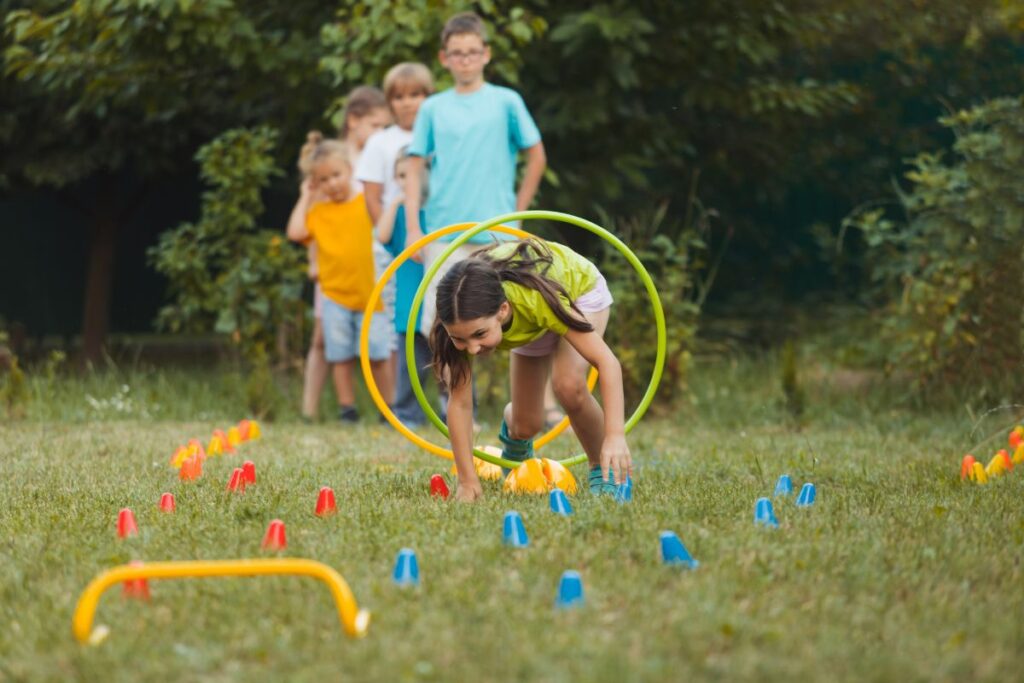
3. Think about safety and inclusivity
Safety should always be a top priority. Make sure the space you’re using is suitable for the activities planned, and check if you need any permissions or insurance through your local council. Having a first aid kit handy, and ideally someone trained in basic first aid, gives everyone peace of mind.
It’s also worth considering how to make your event inclusive. Kids come with all sorts of abilities and interests, and the best community events find ways to include everyone. Offering different levels of activity – from high-energy games to gentler options – means no child feels left out. Even having a shaded “chill-out” area with water and snacks can make a big difference.
4. Add fun and extras
Part of what makes these events memorable is the atmosphere. It doesn’t have to be fancy, but adding a few extra touches helps. A small BBQ or sausage sizzle, some upbeat music, or a set of certificates for participation can all create a festive community feel. Prizes don’t need to be expensive – a simple ribbon, medal, or even a “well done” card is enough to make kids feel proud.
These extras also give families a reason to stick around, chat, and connect. It turns the event into more than just an activity for kids; it becomes a gathering point for the whole community.
5. Keep it flexible
The beauty of community-led events is that they don’t have to run like clockwork. Unlike a professional tournament or school sports carnival, these are about enjoyment. If a game runs shorter because the kids are tired, or if they invent their own rules halfway through, let it happen. The more freedom you give, the more fun they’ll have.
Flexibility also helps when things don’t go to plan. If the weather turns, have a backup idea like indoor games at a hall. If fewer kids show up than expected, scale the activities down. The aim is to create something positive with whatever resources you’ve got, not to run a perfectly polished event.
6. Don’t forget the post-event wrap-up
Once the fun is over, a little extra effort goes a long way. Make sure the venue is cleaned up and left in good condition so it’s easy to use again next time. You may even want to budget for a local Adelaide pressure washing service. A tip I got from my mate John who works for a roof cleaning service in Adelaide is to check if there are cleaning companies that could do this for free in exchange for a sponsorship deal. Take a few minutes to thank volunteers, parents, and local groups who helped – whether in person, through a quick message, or even a post on social media. It’s also handy to collect feedback from participants to see what worked well and what could be improved. Finally, consider starting an email list or group chat for families who attended. Keeping in touch makes it easier to plan future events and helps build a stronger sense of community around these activities.
Summing it Up – Why It’s Worth the Effort
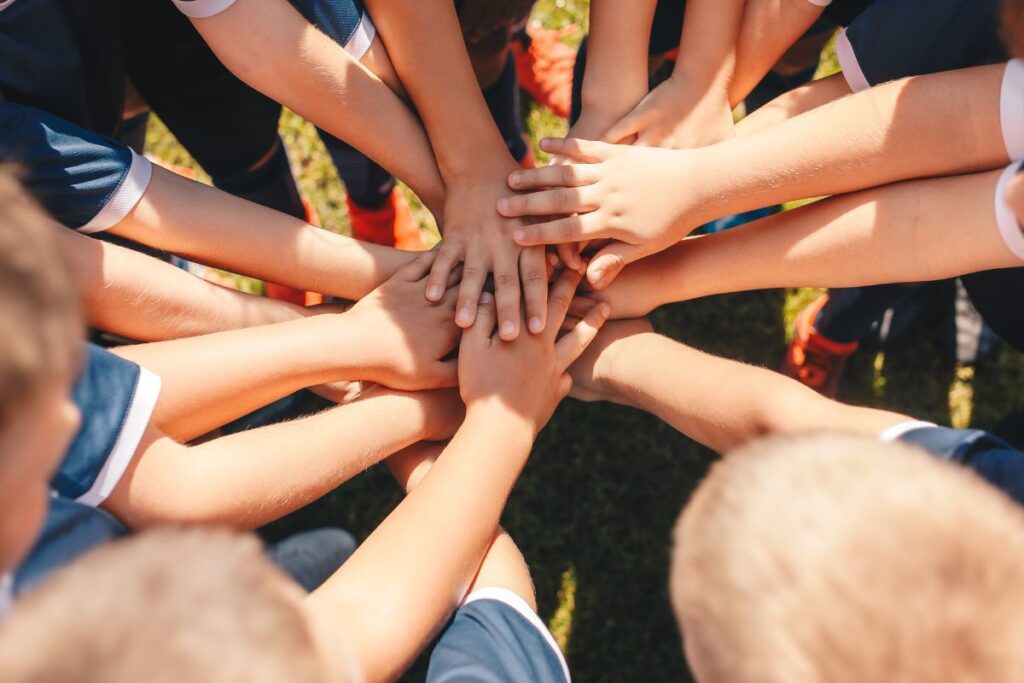
Organising a community-led sports event might take a bit of time and coordination, but the benefits are huge. Kids get the chance to burn off energy, try something new, and build friendships. Parents get the relief of knowing their kids are safe and engaged. And the wider community gets stronger, with people meeting, talking, and working together.
I’ve always believed that recreation doesn’t need to be expensive or highly structured to make a difference. Sometimes all it takes is a ball, a park, and a group of people willing to join in. During school holidays especially, these small efforts go a long way in keeping kids active and happy.
So if you’ve been thinking about it, give it a go. Start small, keep it simple, and build from there. You might be surprised by how many people are willing to help, and how much joy a community afternoon of sport can bring.